
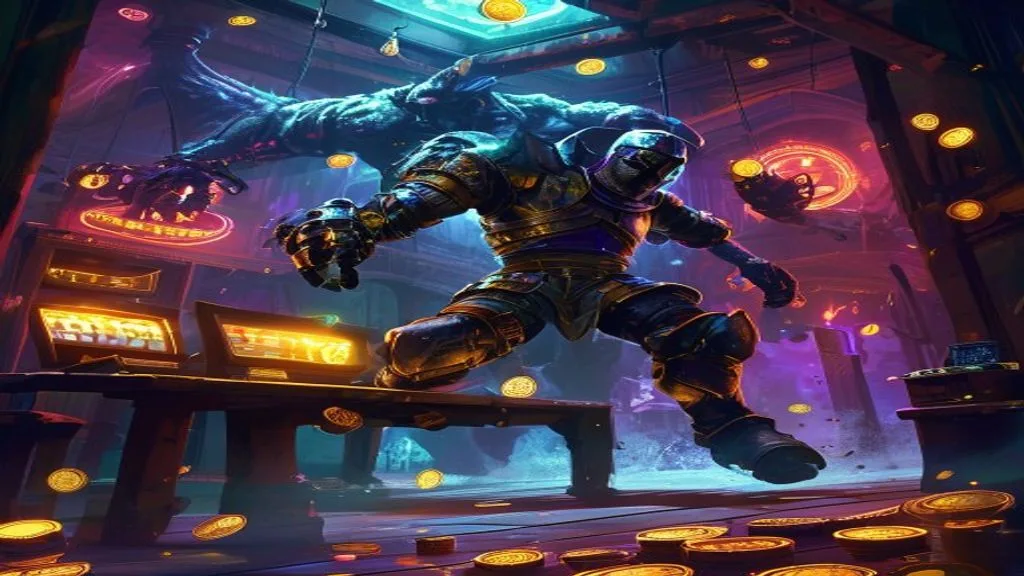
So there I was, 2 AM, sitting on the floor because at some point I’d slid off the couch. My character had just died — again — to the same boss for the 47th time. I know it was 47 because I was counting. The dodge window was maybe half a second, and I kept rolling into the attack like some kind of masochist with a death wish. My roommate walked past, glanced at the screen, and said, “You know you can just play something easier, right?”
No. No I cannot.
If you’ve ever been hooked on a hardcore action RPG with dodge mechanics, you know exactly what I’m talking about. That cocktail of frustration and adrenaline. The way your hands get sweaty right before a boss fight. The absolute euphoria when you finally nail a perfect dodge chain and the enemy crumbles. Nothing else in gaming hits quite like it.
But here’s the thing — there’s a method to the madness. Getting good at these games isn’t just about reflexes (though those help). It’s a learnable skill. So let me walk you through how I went from floor-sitting rage monster to someone who can actually hold their own.
Step 1: Stop Panic Rolling
This is the biggest one. Seriously. When a giant demon swings a flaming sword at your face, every instinct screams ROLL NOW ROLL EVERYWHERE ROLL FOREVER. But panic rolling is how you die. Every single time.
Here’s what actually works: wait. Watch the enemy’s arm, not their weapon. The windup tells you everything. Most hardcore action RPGs give you invincibility frames — those precious milliseconds during your dodge where nothing can touch you. The trick is timing your roll to match the hit, not the windup.
I practiced this by finding a basic enemy (not a boss, calm down) and just… not attacking. Just dodging. For like 20 minutes. Felt ridiculous. Worked incredibly well.
Step 2: Learn One Weapon, Then Branch Out
I used to swap weapons constantly. Cool sword? Equip it. Flashy spear? Sure. Giant hammer that looks like it could flatten a car? Obviously. But this is a trap — especially in games where each weapon type has completely different dodge-cancel timings and recovery frames.
Pick one weapon. Learn its rhythm. Understand when you can dodge out of an attack animation and when you’re locked in. According to HowLongToBeat.com, players who stick with one build through their first playthrough tend to finish significantly faster than those who keep experimenting. Makes sense, right? Mastery beats variety when you’re still learning the fundamentals.
(My personal pick? Fast weapons with short recovery. I know greatswords look amazing and hit like a truck, but I’d rather dodge twice and live than swing once and get pancaked. That’s just me though — some people thrive with slow, heavy hits, and honestly? I respect that energy.)
Step 3: Read the Room, Not Just the Enemy
Here’s something people don’t talk about enough. Positioning matters as much as dodge timing. You can have perfect reflexes and still get wrecked because you rolled into a wall, or off a cliff, or into a second enemy you forgot was there.
Before a fight, look around. Where’s the open space? Where are the environmental hazards? Some of the best hardcore action RPGs design their arenas as puzzles — the boss is only half the challenge. The room itself is trying to kill you too. It’s a bit like those Lovecraftian survival games where the environment is as hostile as the monsters. The space you fight in shapes everything.
Step 4: Customize Your Build Around Your Dodge Style
Not all dodge mechanics are created equal. Some games give you a quick sidestep. Others give you a full roll with generous i-frames. A few give you a parry that doubles as a counter. Your build should complement whichever system the game uses.
If your dodge is fast but short-range, stack agility and equip light armor. If it’s slow but covers distance, you might want heavier gear since you’ll be further from danger after dodging. Customization really does matter — in design, in branding, and absolutely in building a character that matches how you actually play.
And hey, look — don’t just copy a build from YouTube. I mean, you can, but you’ll learn way more by understanding why a build works. Why does that streamer use light armor with a katana? Because the katana’s dodge-cancel window is tiny, so they need fast recovery. See? Logic, not just imitation.
Step 5: Die With Purpose
You’re gonna die. A lot. That’s the deal with these games. But there’s a difference between dying and learning something from dying.
Every death should teach you one thing. Did the boss have a grab attack you didn’t know about? Now you know. Did you run out of stamina mid-dodge? Manage it better next time. Did you get greedy and sneak in one extra hit? (We’ve all been there.) Pull back sooner.
Write it down if you have to. I literally kept notes on my phone for one boss. “Phase 2: triple slash then overhead, dodge LEFT not right.” Sounds obsessive? Maybe. But I beat that boss on the next attempt after writing it down.
A Quick Word on Mindset
Real talk for a second. If you’re not having fun, take a break. Walk away. Get a snack. These games are designed to push you, but they’re still games. The satisfaction of overcoming a challenge disappears real fast if you’re genuinely angry. Trust me — I’ve learned this the hard way more than once.
The best sessions I’ve ever had were when I came back after a break with fresh eyes. Suddenly that impossible boss pattern looked… readable. Like the way a good visual identity suddenly clicks when you see how modern design trends come together. Pattern recognition is wild.
So yeah. That’s the roadmap. Stop panic rolling, master one weapon, watch your surroundings, build smart, and die on purpose. Will you still eat dirt sometimes? Absolutely. But you’ll eat it with style.
And your roommate will stop suggesting easier games.
Pertanyaan yang Sering Diajukan (FAQ)
What's the single most important skill in a hardcore action RPG with dodge mechanics?
Timing your dodge to the attack's impact, not the windup. Learn the invincibility frames for your specific game and practice them against basic enemies before tackling bosses. Panic rolling is the number one killer of new players.
Should I use a shield or focus entirely on dodging?
Depends on the game, but if dodge mechanics are the core system, lean into dodging. Shields can become a crutch that prevents you from learning enemy patterns — and in most hardcore action RPGs, some attacks can't be blocked anyway.
How long does it usually take to "get good" at these games?
Honestly, it varies wildly, but most players start feeling comfortable after 10-15 hours once they commit to learning instead of brute-forcing. The first major boss you beat cleanly is usually the turning point where everything starts clicking.